
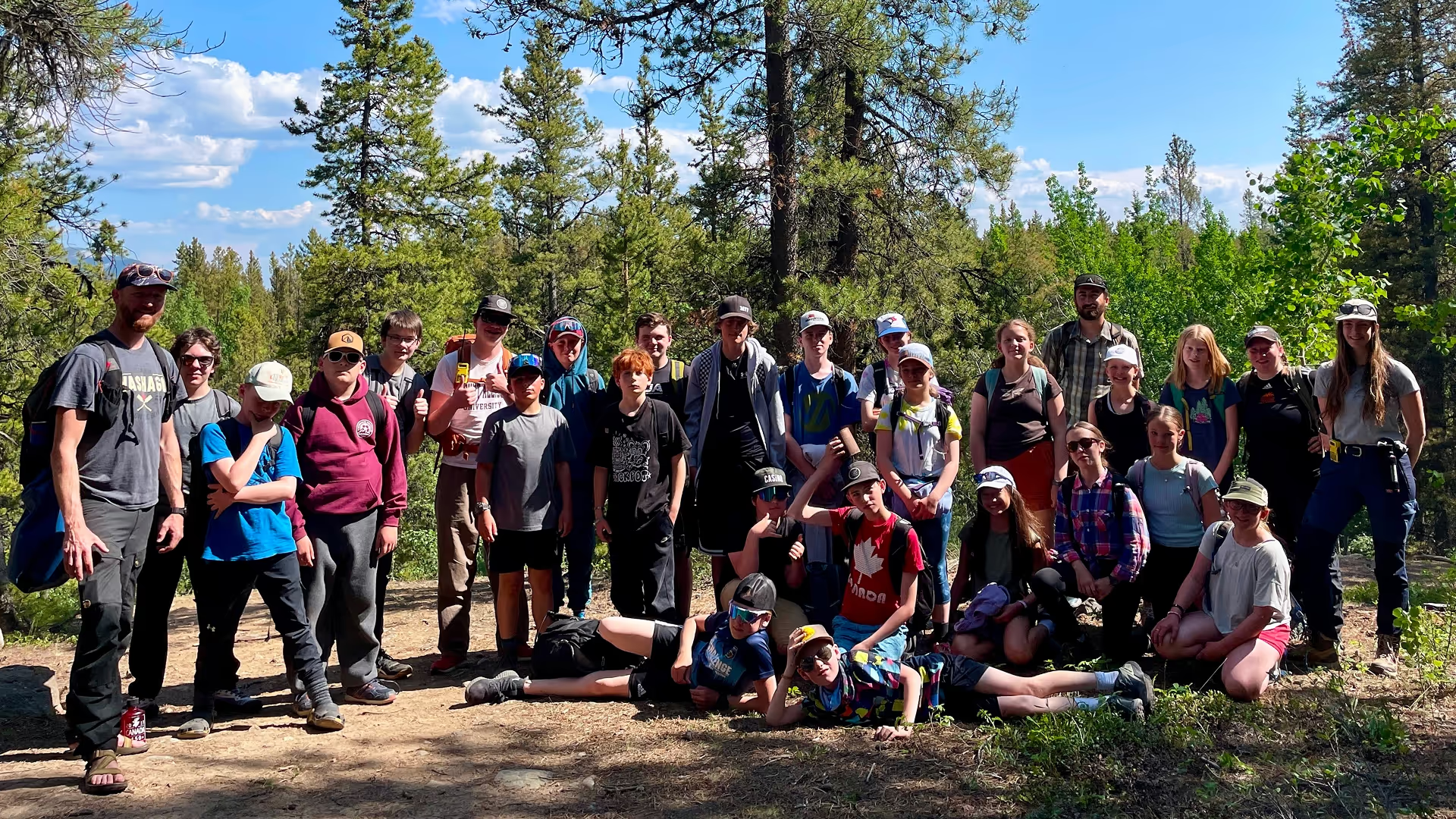
WILDE School of Yukon is rooted in principles of Natural Learning and influenced by Permacognitive Education.

Mission
WILDE School Yukon is an organization dedicated to transforming education by designing nature-based programs and learning environments, inspiring students to maximize their potential and empowering students, educators, and communities to connect with the natural world for a healthier, more sustainable future.
WILDE School Yukon is dedicated to working primarily outdoors, in all seasons to cultivate a generation of learners who are curious, adaptable, and resilient.
Vision
We envision a future where every child grows up learning with and from the natural world, supported by educators, communities, and policies that value holistic development and sustainability.
Curiosity & Wonder
Inspiring a natural love of learning through exploration, hands-on experiences, and connection to the outdoors.
Sustainability
Cultivating environmental stewardship and sustainable practices that empower future generations.
Leadership
Equipping children, educators, and communities with the knowledge, skills, and confidence to lead and create change.
Collaboration
Nurturing partnerships and meaningful connections that strengthen communities and foster collective impact.
Skills
Designing creative learning environments and programs rooted in Natural Learning to adapt to the needs of today and tomorrow.
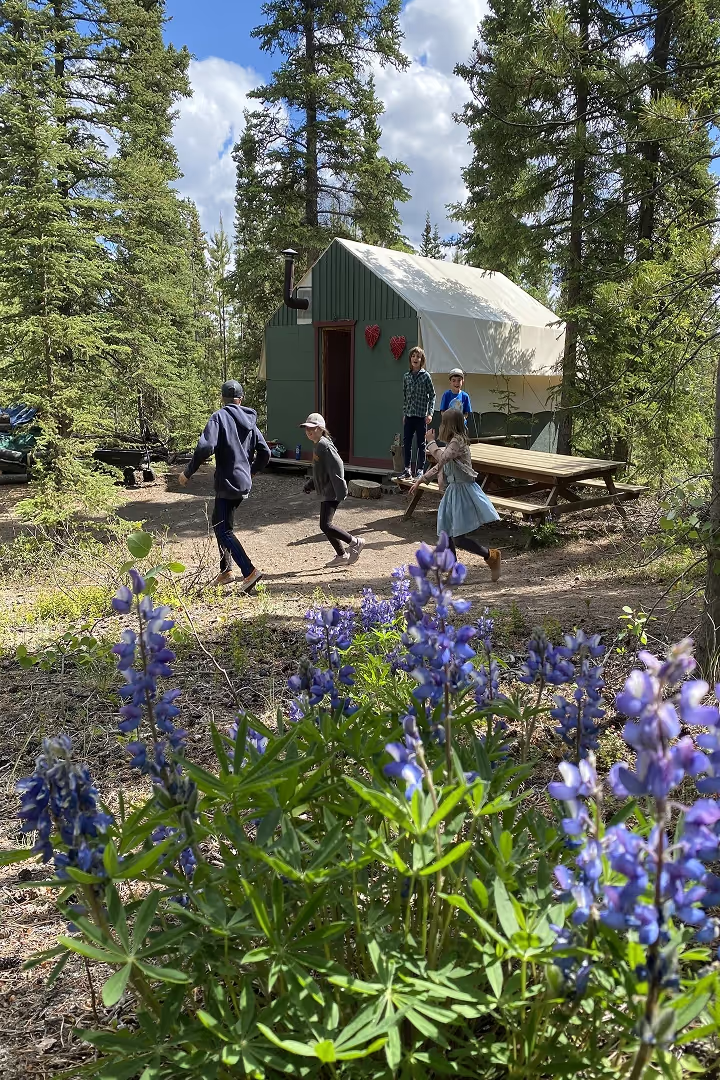
WILDE School Yukon focuses on four interconnected objectives, guided by the principles of Permacognitive Education.

1: Observe
Observation is the root of all learning. Invite your child to share what they’re noticing—inside themselves and in the world around them.
2: Design
Education is not something that happens to a child—it’s something we grow together, like a thriving garden rooted in shared care.
3: Implement
Learning flows in rhythms—daily, weekly, seasonal, and developmental.
Growth is not linear—it spirals and rests.
4: Adapt
Learning is not static—it evolves through feedback, experimentation, and adaptation. Mistakes are compost. Curiosity is germination.
As we move beyond the outdated Industrial School model, we apply permacognitive design principles to reimagine education as an ecosystem.
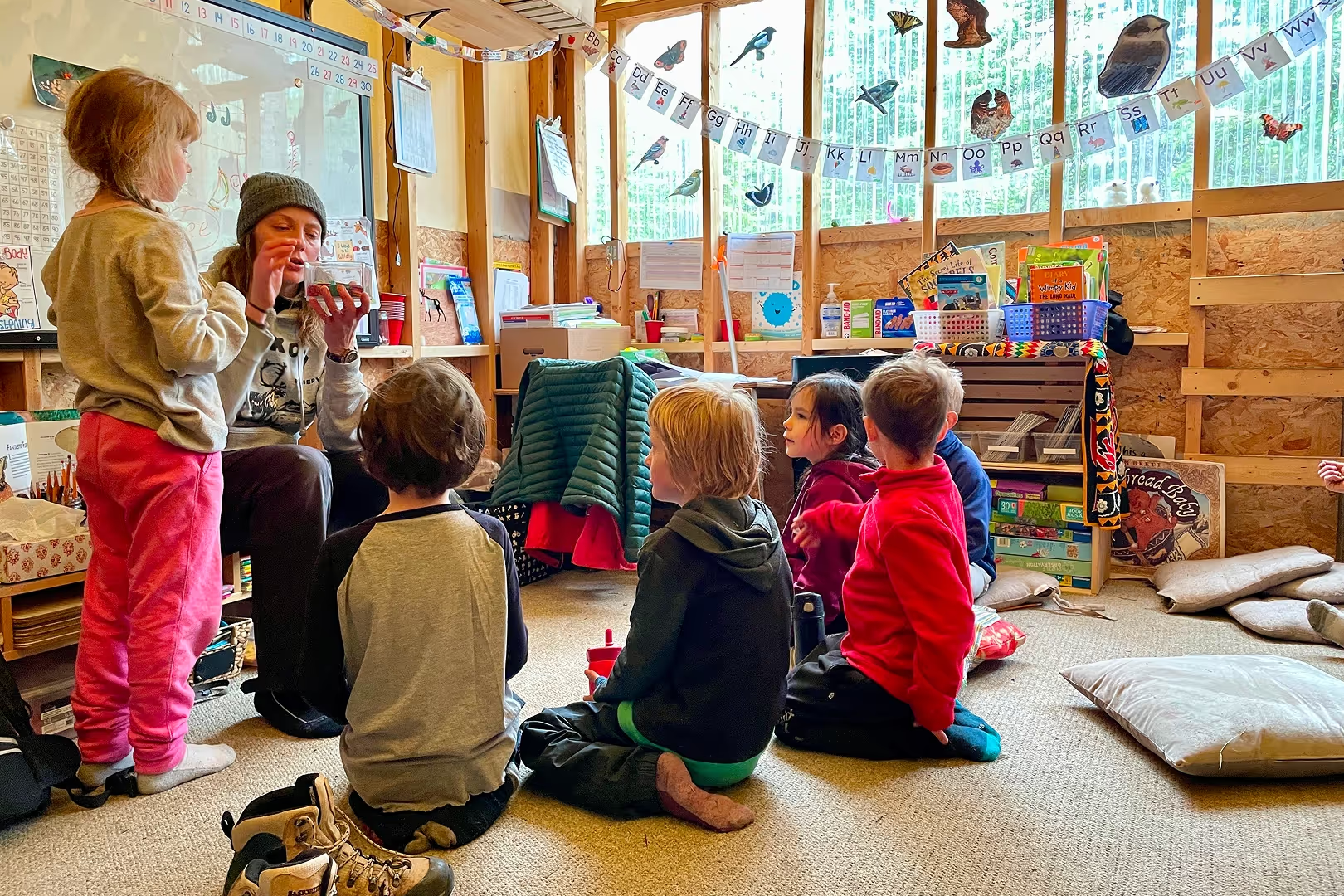
Permacognitive Design Principles include:
- Observe First – understand people and place before planning.
- Design with Context – root schools in local ecology and culture.
- Work with Nature – use biophilic design, natural light, gardens, and green spaces.
- Integrate, Don’t Isolate – blend subjects, age groups, and school-community partnerships.
- Value Diversity & Small-Scale Solutions – prioritize flexible, modular spaces over one-size-fits-all structures.
- Use Cycles & Feedback – build in rhythms of reflection and adaptation.
- Leadership as Stewardship – redefine leadership as care for systems.
- Regeneration, Not Extraction – leave people and places healthier through education.
A Natural Learning Campus (or Centre) is the physical expression of our philosophy: an educational space designed to immerse students in nature-inspired, functional environments that integrate academic learning with ecological stewardship.
Key features of the Natural Classroom:
- Outdoor Classrooms that blend seamlessly with natural surroundings.
- Recreational Infrastructure (trails, low-ropes courses, play areas) for physical and social growth.
- Sustainable Food Systems (gardens, farm-to-table programs, composting).
- Natural Elements for Cognitive Development (trees, water, wildlife for focus and wellbeing).
- Leadership & Team-Building Opportunities through wilderness and community projects.
- Cultural & Community Integration with Indigenous knowledge and local partnerships.
These campuses are designed as living systems, where students not only learn but also contribute to the regeneration of the place itself.

Ready to Explore WILDE?